
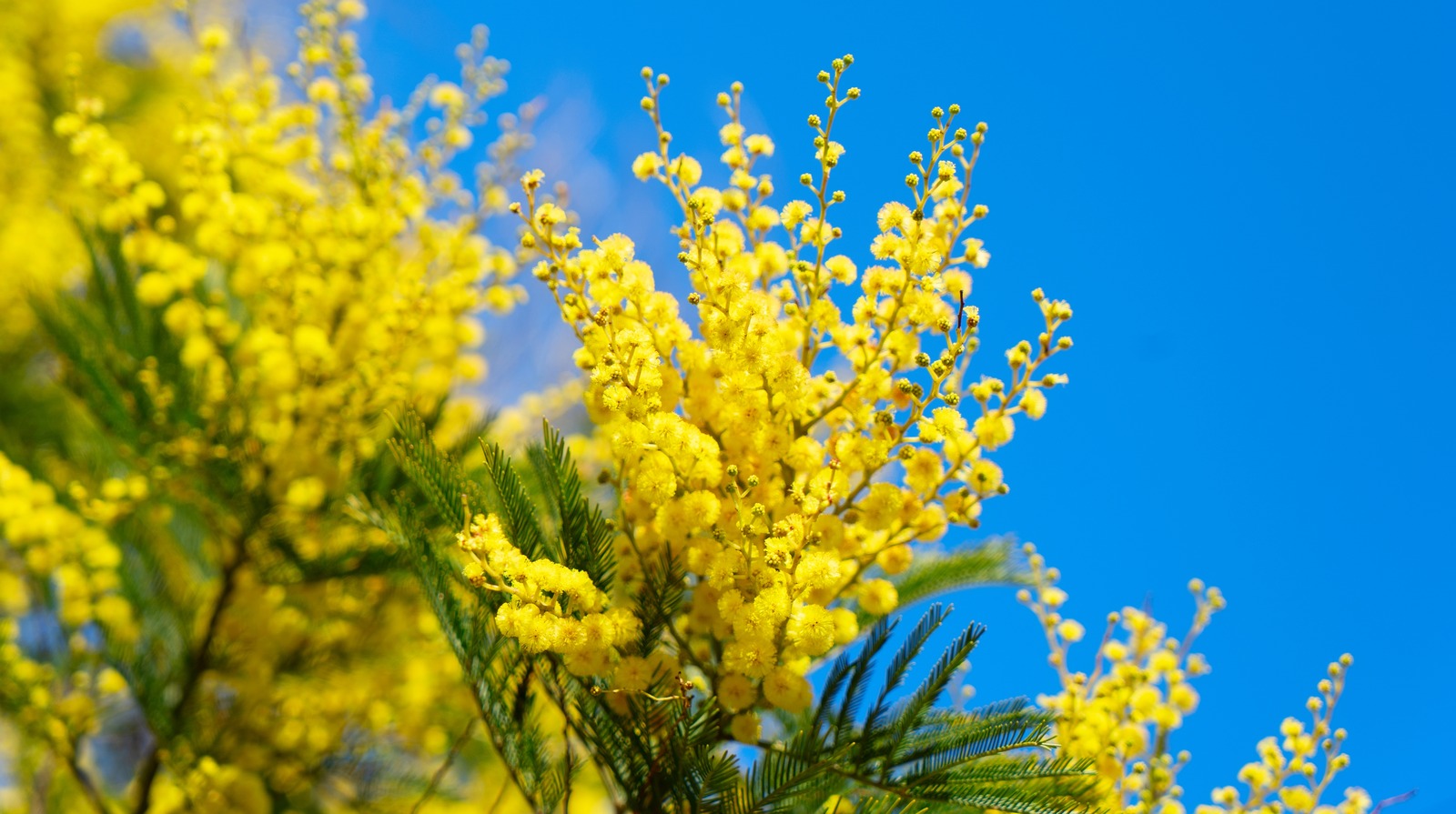
March 8 is around the corner, so instead of giving chocolates or awkward emails about Women’s Day and girl power, it is time to step up. Fresh blooms are given all around the world to celebrate women. But mimosas? They have their own place. These delicate yet sturdy flowers reflect women’s grace and power.
When you hand these fluffy yellow puffballs that smell like sunshine and subtly whisper that you’re tougher than you look, it is what brings a smile to your favorite woman’s face. Mimosas are popular flowers in Italy and Russia, and the unsung hero of International Women’s Day (IWD).
In this article, we are going to talk about the bright blooms that have been stealing the show since the 1940s. We will be digging into its roots, so let’s begin.
It Was a Thorny Path for Women
Women back in the day were merely treated as subjects: they had no rights, were treated as second-class citizens, and were given peanuts for their work. So if you think IWD (International Women’s Day) started as a Hallmark holiday, you’re wrong there.
This day was born from strikes and a whole lot of shouting for rights. Women all around the world (Italy, Russia, New York City, etc.) protested for their rights, gender equality, and safety.
Although this day is celebrated with brunches, spa deals, and by giving flowers to women to celebrate their feminine energy and strength, if we rewind the clock, it was tough for women, and they endured a lot for the privileges women have today.
How Mimosa Became a Popular IWD Symbol?
You must be thinking how and why mimosa? Did somebody spin a flower wheel and land on it? Probably not! This tradition began in Italy after World War 2. Three women from the UDI (Union of Italian Women) were looking for a first peacetime Women’s Day symbol.
Several flowers were suggested, but they didn’t set well with them. Then, bang! Mimosas entered into the picture as they bloom in early March, making them perfect for 8th March celebrations.
These blooms are cheap, don’t wilt under pressure, blossom even in tough spots, and are delicate but resilient, thus symbolizing women fighting inequality and fascism. From there, the traditions were born and spread to Russia and beyond.
Mimosa’s Significance in Russia, Italy, and Other Countries
Mimosa is the queen of Italy. As 8th March approaches, the streets buzz with vendors having a plethora of bouquets. People exchange bouquets to celebrate and showcase solidarity; husbands give to their wives, students to their teachers, and women to each other.
Plus, a girls’ night out is a must that day. Ladies hang out for some good chat, wine and a cake that mimics a flower, with sponge cubes and lemon cream.
Do you know Liguria’s “Flower Riviera” produces about 90% of global mimosas? These blooms are also exported to Russia and Poland for this celebration. However, mimosas are not big in the UK or UAE, but florists do keep mimosa bouquets to celebrate IWD.
Apart from its significance, it is a very interesting bloom. So let’s take a quick science detour.
Let’s Get Into Some Plant Nerdery
Mimosa is not just any flower; it is from the family of beans and peas. Mimosa or Acacia dealbata, or silver wattle, is an Australian native plant. It is a tree or a shrub with fern-like leaves that are sensitive to touch.
Another species, Mimosa pudica, is an introvert in the plant world. These blooms fold inward and become droopy when touched, hence the name mimosa, as they mimic shyness or sleep.
However, Acacia dealbata or yellow puffball mimosa has captured the hearts. Their admiration is based on multiple factors, including stunning appeal, perfect bloom time, delightful fragrance, delicate appearance, incredible photogenicity, easy blooming, and deep cultural importance.
What’s more, these cheerful pom-pom fluffy balls are an emblem of femininity and new beginnings, hence making them an iconic symbol of IWD across the globe.
Wrapping Up: Mimosas and the Women We Celebrate
From becoming a national symbol after World War 2 to global bouquets today, the mimosas’ journey mirrors women’s progress over the years, i.e., being unbreakable, bright, defiant yet delicate.
8th March is just a few days away, and you know which flowers to grab for your favorite woman to honor her this Women’s Day.